The Democratic Republic of Congo: Beyond the Headlines
10/25/20255 min read
Understanding the DRC: A Brief Overview
The Democratic Republic of Congo (DRC) is a vast and resource-rich country located in Central Africa, bordered by nine nations, including Uganda, Rwanda, and Angola. Spanning approximately 2.34 million square kilometers, it is the second-largest country in Africa and the eleventh-largest globally. Its geographical significance is underscored by the Congo River, one of the longest rivers in the world, which plays a crucial role in the region's ecology and economy.
Historically, the DRC has been shaped by a complex interplay of indigenous cultures, colonial influences, and international interests. The era of Belgian colonization, which began in the late 19th century, left a profound impact on the country's socio-political landscape. The struggle for independence in 1960 was marked by violent upheaval and political assassinations, most notably the assassination of Prime Minister Patrice Lumumba. Post-independence, the DRC endured decades of authoritarian rule, civil war, and external interventions, which contributed to a fragile state characterized by governance challenges and socio-economic disparities.
Despite these obstacles, the resilience of the Congolese people is noteworthy. The DRC is home to over 200 ethnic groups and boasts rich cultural diversity, which is manifest in various art forms, languages, and traditions. Additionally, the country's abundant natural resources, including coltan, diamonds, and gold, present both opportunities and challenges. While these resources hold the potential for significant economic development, they have also been a source of conflict, attracting external actors and fueling violence.
The socio-political context of the DRC is often painted in stark terms, influenced by reports of human rights abuses and conflict. However, it is essential to recognize the ongoing efforts of civil society and local communities striving for peace, stability, and development. Understanding the DRC requires moving beyond the sensationalism often presented in media narratives to appreciate its complexities and the enduring strength of its people.
Celebrating the Richness of Congolese Culture
The Democratic Republic of Congo (DRC) is home to a vibrant tapestry of cultures, characterized by its over 200 ethnic groups, each contributing unique traditions, languages, and customs to the nation's identity. This rich cultural diversity is reflected not only in the social fabric of the country but also in its artistic expressions, including music, dance, and crafts. Congolese culture is intricately woven into the daily lives of its people, highlighting the significance of community and historical heritage.
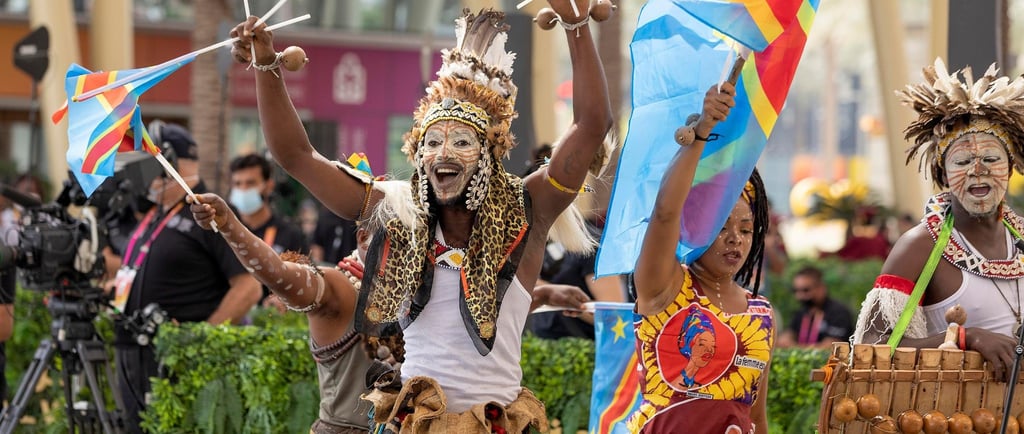
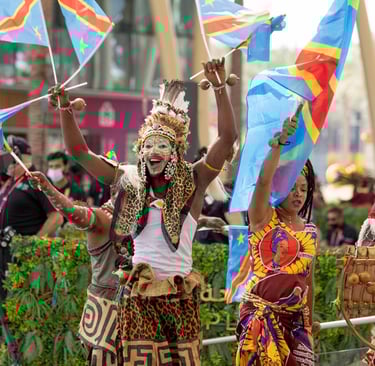
Language plays a crucial role in the cultural expression of the DRC. While French is the official language, numerous local languages are spoken, such as Lingala, Kikongo, Tshiluba, and Swahili. This linguistic plurality fosters a multicultural environment where various ethnic identities are celebrated. Festivals throughout the year serve as a platform for showcasing these diverse traditions, with events featuring elaborate dances, music performances, and vibrant costumes that embody the spirit of Congolese life.
Among the cultural expressions, music, particularly Congolese rumba, stands out as a significant contribution to the global music scene. This genre reflects the mixture of traditional African rhythms with influences from Latin music and has led to the emergence of internationally renowned artists. Music in the DRC transcends entertainment; it serves as a means of storytelling and a way to educate younger generations about their roots and cultural history.
Additionally, traditional crafts such as woodwork, bead making, and textile production play an essential role in showcasing the ingenuity and artistry of Congolese people. These crafts are not simply decorative items; they carry cultural significance and often convey stories of the nation's history and beliefs. Together, these elements paint a picture of a country bursting with life and rich cultural traditions, providing a foundation for continued global influence and appreciation.
Courage in Adversity: Stories of Resilience
The Democratic Republic of Congo (DRC) is often portrayed in the media through a lens of conflict and hardship. However, beneath the surface lies a wealth of stories that underscore the extraordinary resilience of its people. Amidst the challenges posed by political instability, economic struggles, and social strife, individuals and communities have emerged as beacons of hope and empowerment. These narratives of courage illustrate how the Congolese population is not merely surviving but actively working towards a brighter future.
Grassroots movements play a fundamental role in fostering change across the country. One notable example is the rise of local women's groups that champion education and healthcare initiatives. These groups frequently mobilize resources and advocate for policies that prioritize the welfare of their communities. By creating safe spaces for dialogue and action, these women have demonstrated that collective effort can lead to significant advancements, empowering their peers and inspiring younger generations.
Local leadership has also proven pivotal in the face of adversity. Many Congolese leaders are emerging from their communities, committed to driving sustainable development. They focus on innovative solutions tailored to local contexts, addressing issues such as food insecurity and environmental degradation. Through their recognition of the unique needs and strengths of their communities, they foster a sense of ownership and responsibility among citizens, which is crucial for long-lasting change.
Initiatives promoting social cohesion among various ethnic groups further exemplify resilience in the DRC. Programs designed to encourage dialogue between different communities have been instrumental in fostering unity and collaboration. By bridging cultural differences, these initiatives not only mitigate tensions but also cultivate an environment conducive to peace and progress.
In conclusion, the resilience of the Congolese people is vividly illustrated through their endeavors to surmount obstacles. Through grassroots movements, empowered leadership, and unity-building initiatives, they are redefining their narrative and illuminating the path toward a hopeful future.
The Future of the DRC: Opportunities and Prospects
The Democratic Republic of Congo (DRC) is poised at a critical juncture, teeming with opportunities that could harness its vast potential for development and growth. The nation is wealthy in natural resources, boasting an abundance of minerals, including cobalt, copper, and diamonds, which are essential inputs for industries such as electronics and renewable energy. This wealth presents significant avenues for attracting foreign direct investment. International partnerships can stimulate growth, providing capital and expertise necessary to exploit these resources sustainably.
Moreover, the DRC's youthful population presents an untapped market with vibrant energy and creativity. With over 60% of its citizens under the age of 25, this demographic profile is advantageous for sectors such as technology and entrepreneurship. The government and private sector stakeholders can cultivate potential through targeted investments in education and vocational training. By enabling this generation with the right skills, the DRC can foster innovation, catalyzing economic development tailored to meet the needs of the local and global markets.
In addition to traditional industries, emerging sectors like technology and environmental conservation hold remarkable promise. The rise of digital technology offers transformative possibilities for businesses and services, enhancing efficiency and access. Initiatives aimed at promoting tech-savvy ventures can nurture a digital economy that aligns with global trends. Furthermore, the DRC's rich biodiversity and unique ecosystems present opportunities for eco-tourism, fostering both environmental awareness and sustainable economic growth. By investing in conservation efforts, the DRC can attract eco-minded tourists, enhancing its global profile and sustainable efforts.
The synergy of local innovations and international collaborations stands as a beacon for a progressive story of the DRC. By harnessing its natural resources, enhancing education, and embracing technology, the nation can reshape its narrative toward a more prosperous and sustainable future.